



New Directions
REGISTER

Event Date: March 10th, 2026
12:00 PM to 1:30 PM PT
New Directions: Colonial Legacies, Post-Colonial Perspectives
Colonial legacies continue to shape political, social, and intellectual life. While colonialism is often treated as a historical period, its structures and logics persist in contemporary debates around race, territory, knowledge, and power. This panel — part of the Social Science Matrix New Directions series — will bring together UC Berkeley graduate students from anthropology, geography, and sociology to examine how colonial histories are reproduced, contested, and reimagined across different contexts.
Learn More >Research Highlights
Article
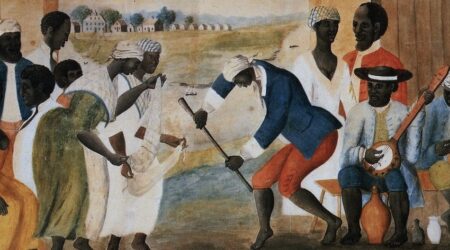
Published October 2, 2014
From Plantation to Corporation
A UC Berkeley historian explores how commonly used modern-day business practices evolved from methods used in the operation of brutal slave plantations.
Learn More >Research Highlights
Article

Published September 30, 2014
Behind the Beef Machine
The origins of the modern U.S. beef industry go farther back than most people realize, says UC Berkeley historian Joshua Specht.
Learn More >Research Highlights
Article
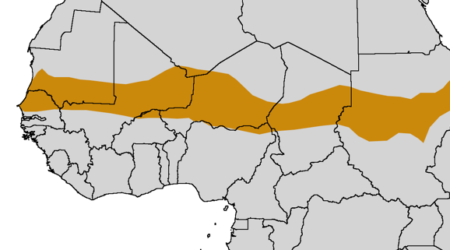
Published September 23, 2014
Population and Climate Change
A team of UC Berkeley researchers warn that unless action is taken, certain countries will likely face dire rates of starvation and disease.
Learn More >Research Highlights
Article

Published September 23, 2014
The Cuban Health Question
A book edited by UC Berkeley's Nancy Burke provides a comprehensive and critical look at the history, construction, and circulation of the Cuban healthcare system in a global context.
Learn More >Research Highlights
Article
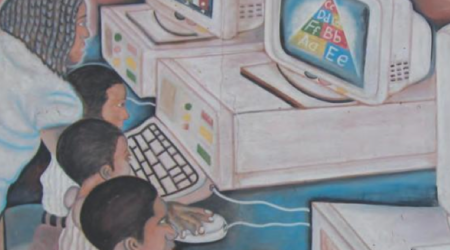
Published September 17, 2014
Invisible Users
Invisible Users, a book by UC Berkeley's Jenna Burrell, explores the youth culture of Internet cafés in Ghana, which upends expectations about the power and purpose of technology.
Learn More >Research Highlights
Article

Published September 11, 2014
Fresh Fruit, Broken Bodies
Migrant farmworkers are subject to social and economic inequalities that put them at greater risk of hardship and injury, according to a book by UC Berkeley’s Seth Holmes.
Learn More >